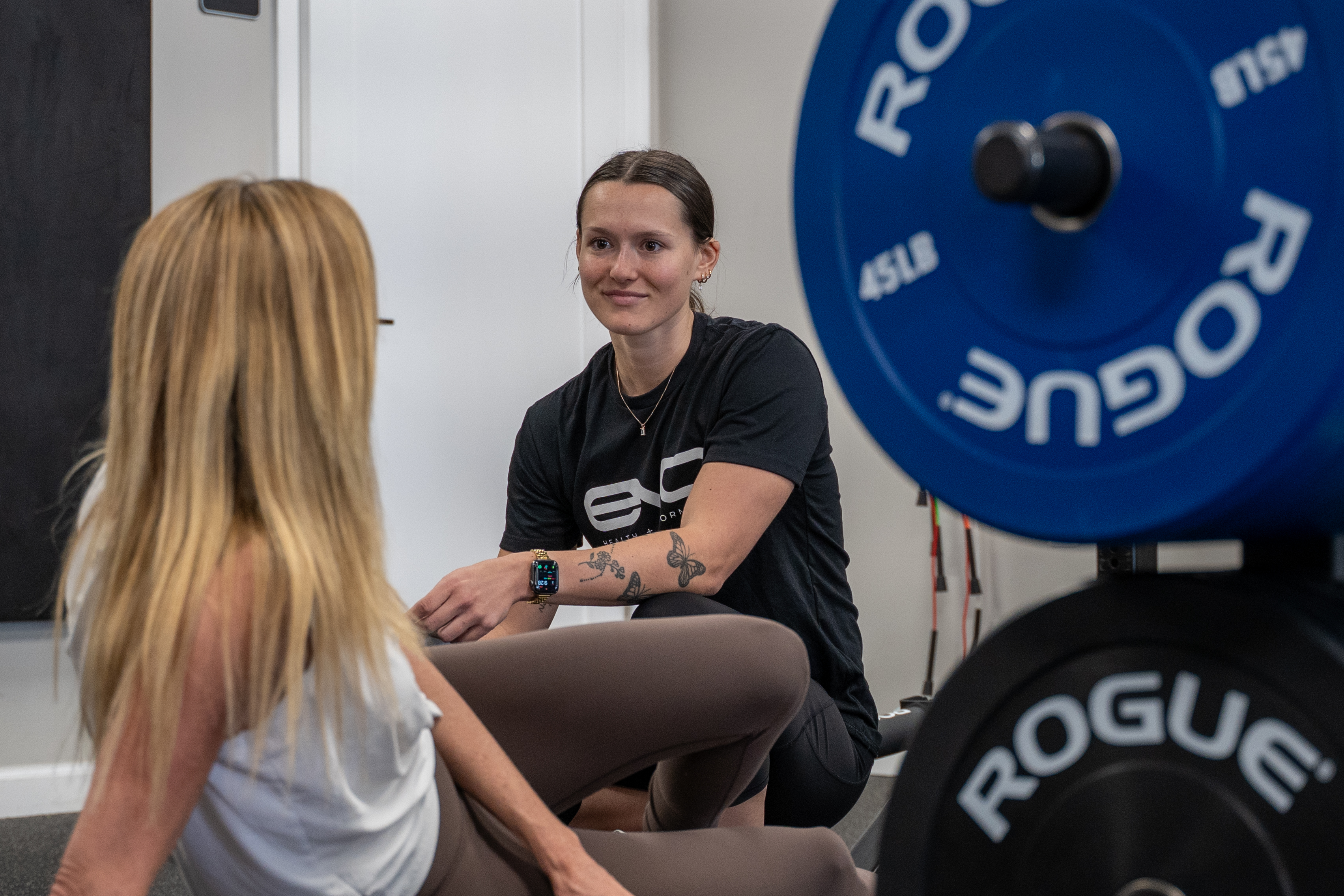
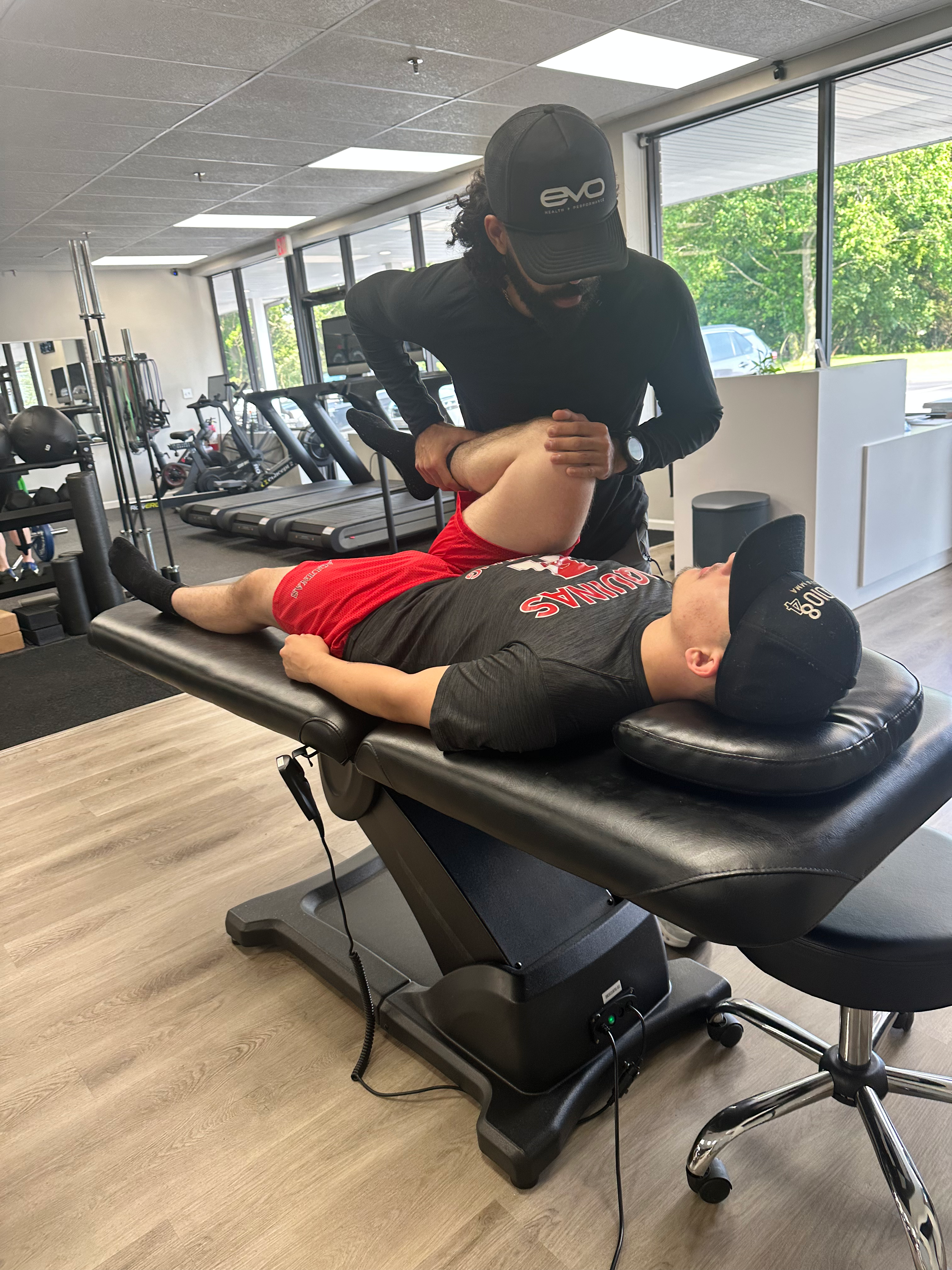
A full hour, one-on-one
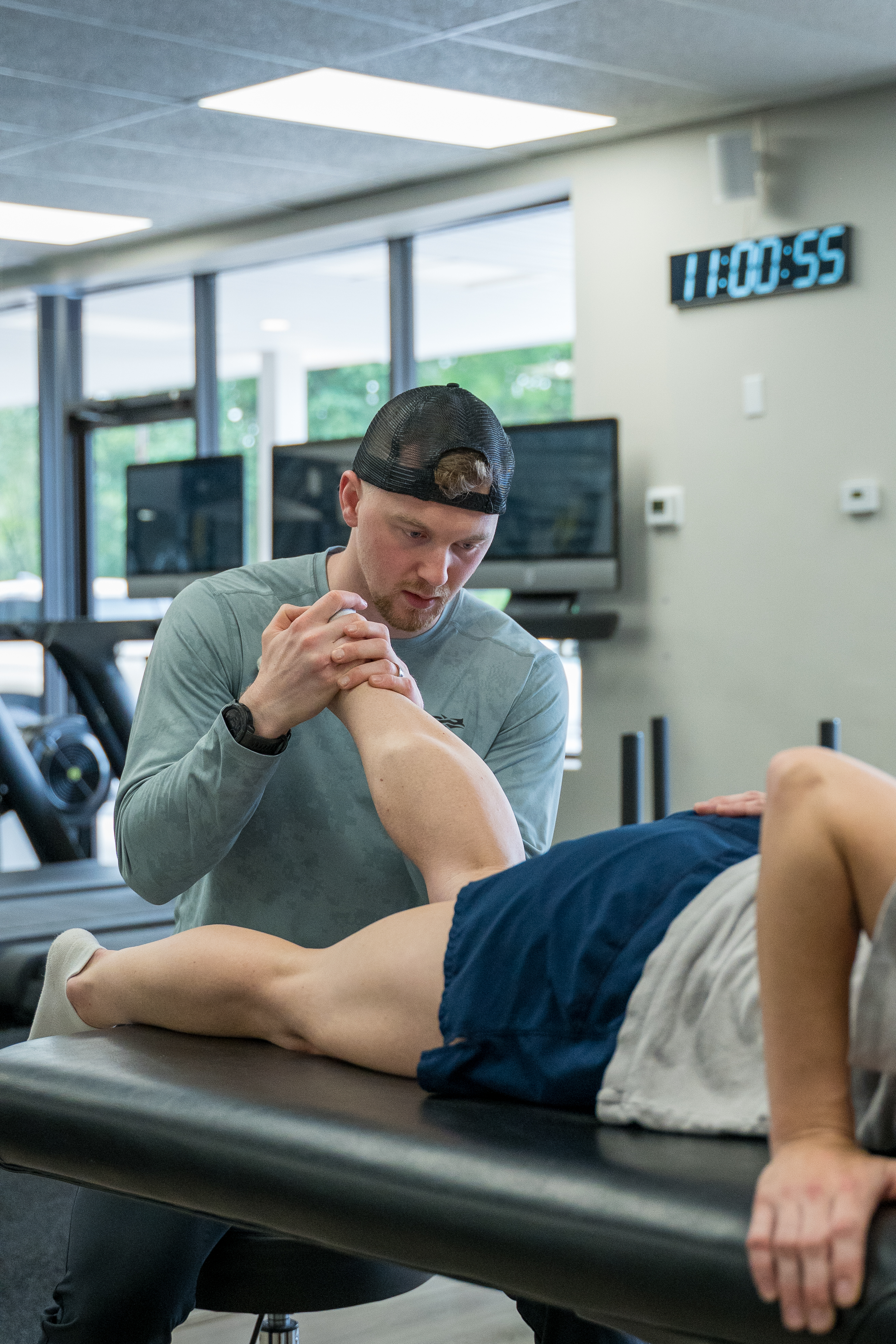
Every visit is an hour with a Doctor of Physical Therapy. No aides, no rushed table time, no bouncing between machines.

You may already be a few weeks or a few months in. The swelling has settled, the motion is coming back, and you have been given a sheet of exercises to keep working through.
But the gap between where you are and where you need to be to play is enormous, and nobody has told you how it gets closed. So you count down to a clearance date without knowing whether your knee will actually be ready for it.
That’s the part we care about.
These are some of the patterns we see most often.
Whether surgery is planned or not, the first job is to settle the knee, restore motion, rebuild strength, and understand the path ahead.
The work before surgery can help you restore motion, wake the quadriceps back up, and build a stronger starting point for the rehab that follows.
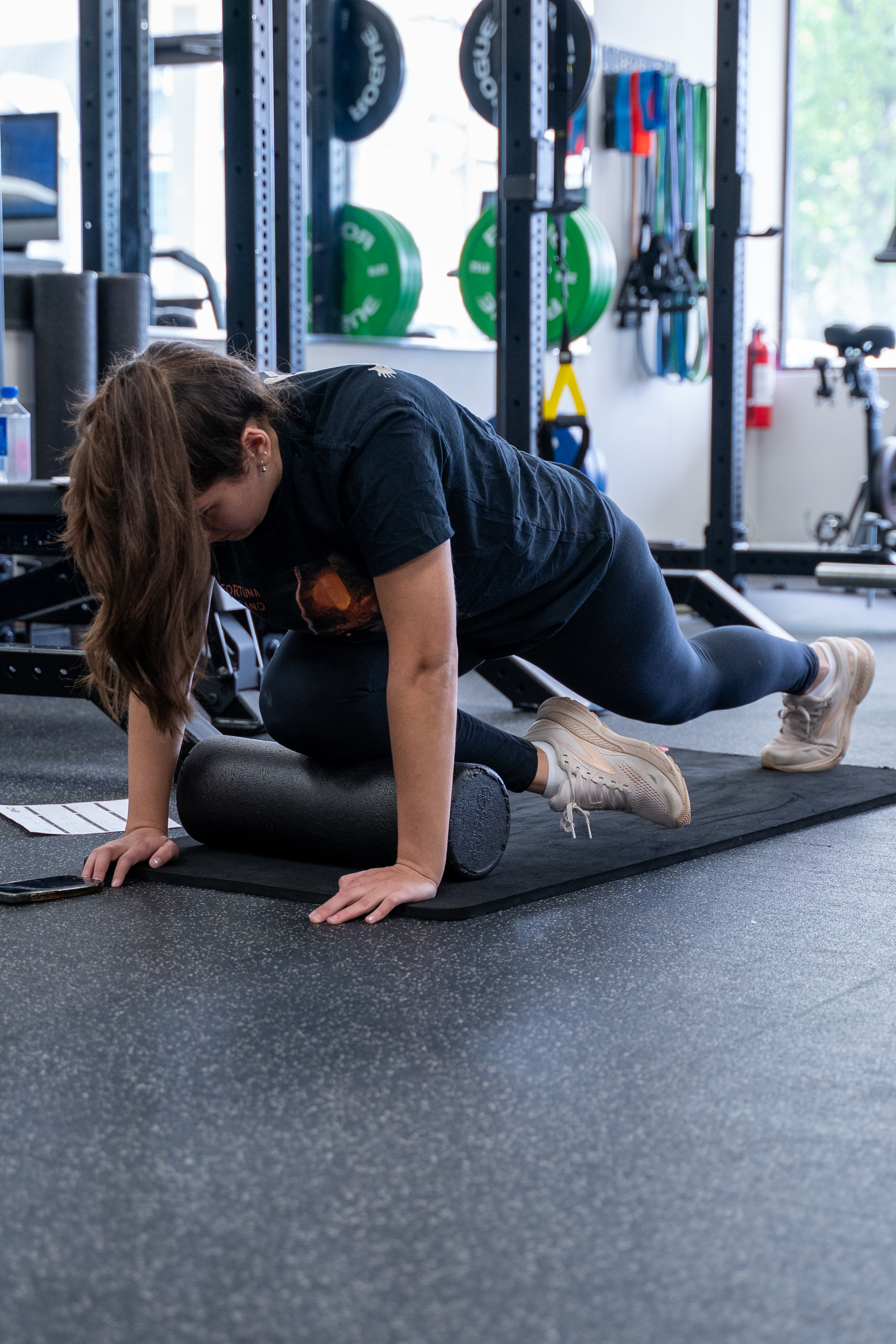
Early ACL rehab is about protecting the healing knee without letting it fall behind. We track motion, swelling, strength, and walking as each piece returns.
If strength, running, or confidence has plateaued, we identify the missing quality and adjust the plan instead of repeating the same routine.
A date on the calendar does not show whether you can handle speed, impact, fatigue, or change of direction. Those qualities need to be rebuilt and tested.
A revision or opposite-side ACL injury deserves a close look at the first recovery, your current deficits, and what your sport will demand this time.
ACL rehab looks different at three weeks, six months, and the return-to-sport stage. We meet you where you are, measure what is missing, and build toward what comes next.
A plan is only as good as the care running it. These three things are how we deliver it.
Every visit is an hour with a Doctor of Physical Therapy. No aides, no rushed table time, no bouncing between machines.
You move forward by clearing the standards tied to your goals, not simply because another week passed on the calendar.
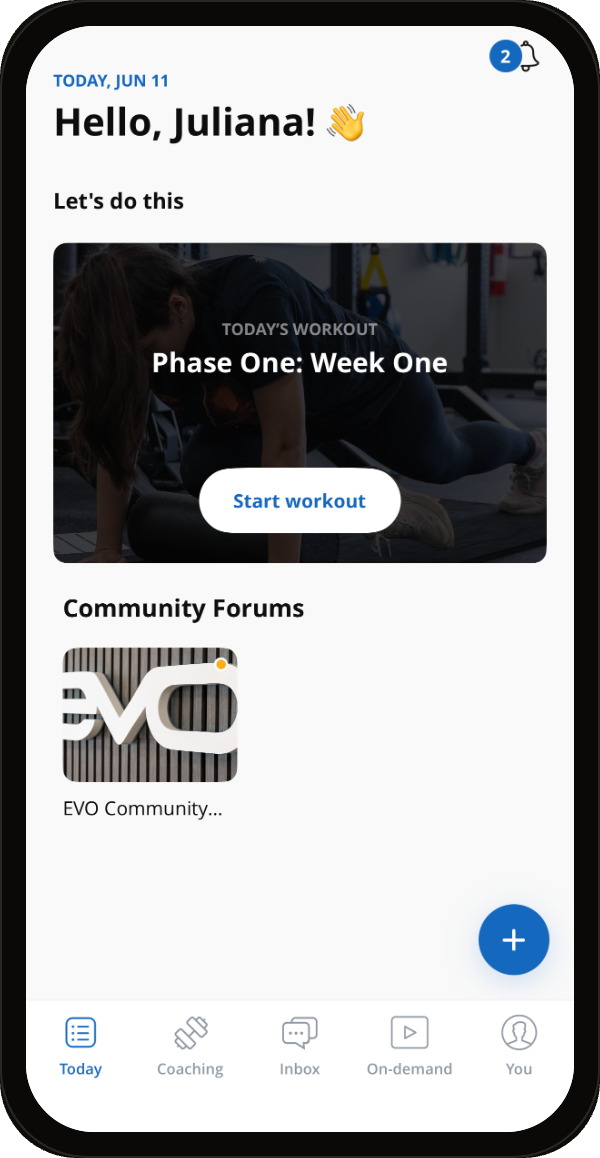
Your plan, your progressions, and a line to your clinician live in the EVO app, so you are never guessing between sessions.
Where it hurts matters. It just does not tell us enough. Before we build your plan, we look at how your knee moves, how much force it can produce and absorb, how well you control it, and what your sport is going to ask of it.
These measures give us a starting point. We return to them throughout rehab to decide what needs work, when to progress, and whether your knee is ready for the demands you want back.
ACL rehabilitation cannot be reduced to a date on the calendar. Current guidelines support the same core principles we work from: rebuild the foundation, progress by criteria, and test the return.
Restore motion, quadriceps strength, control, and confidence before adding higher demands.
Time matters, but so do objective changes in strength, function, and how the knee responds to load.
Running, cutting, jumping, and sport practice should be earned and assessed, not assumed.
That is the logic behind EVO’s 10-step process: establish the starting point, build the qualities that are missing, and earn the next level through measurable progress.
Your assessment shows where you start. Your sport shows where you finish, whether that is a full season of soccer, getting back on the mat, or simply trusting the knee on a trail again. The ten steps are the path between, each one earned before the next begins.
Calm pain and swelling so the knee can move.
Get full knee extension and flexion back.
Rebuild the quad, hamstring, and calf.
Use that strength in real movement.
Repeat good movement without breaking down.
Build meaningful lower-body and full-body strength.
Control landing, impact, and deceleration.
Build force, speed, and power.
Handle fatigue, change, and the unexpected.
Return to life or sport—and stay there.
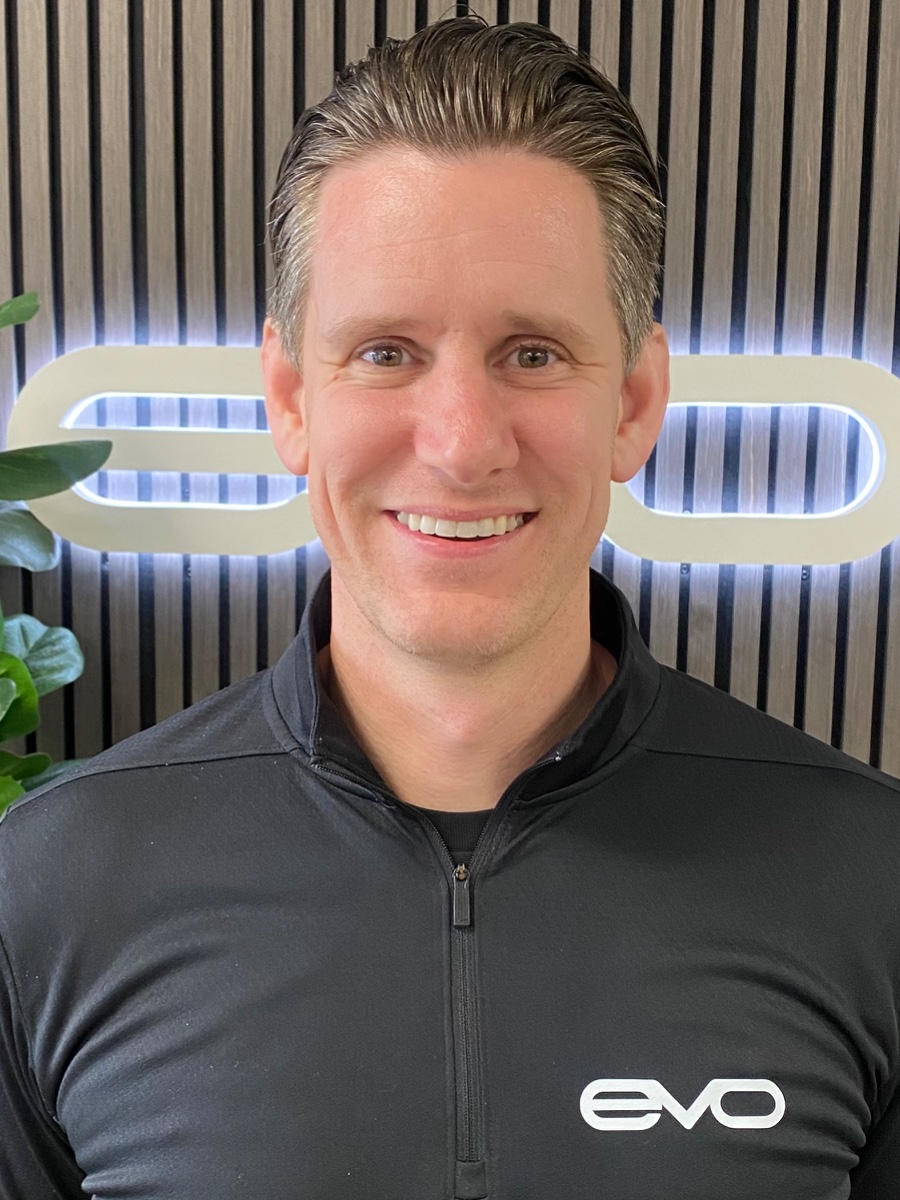
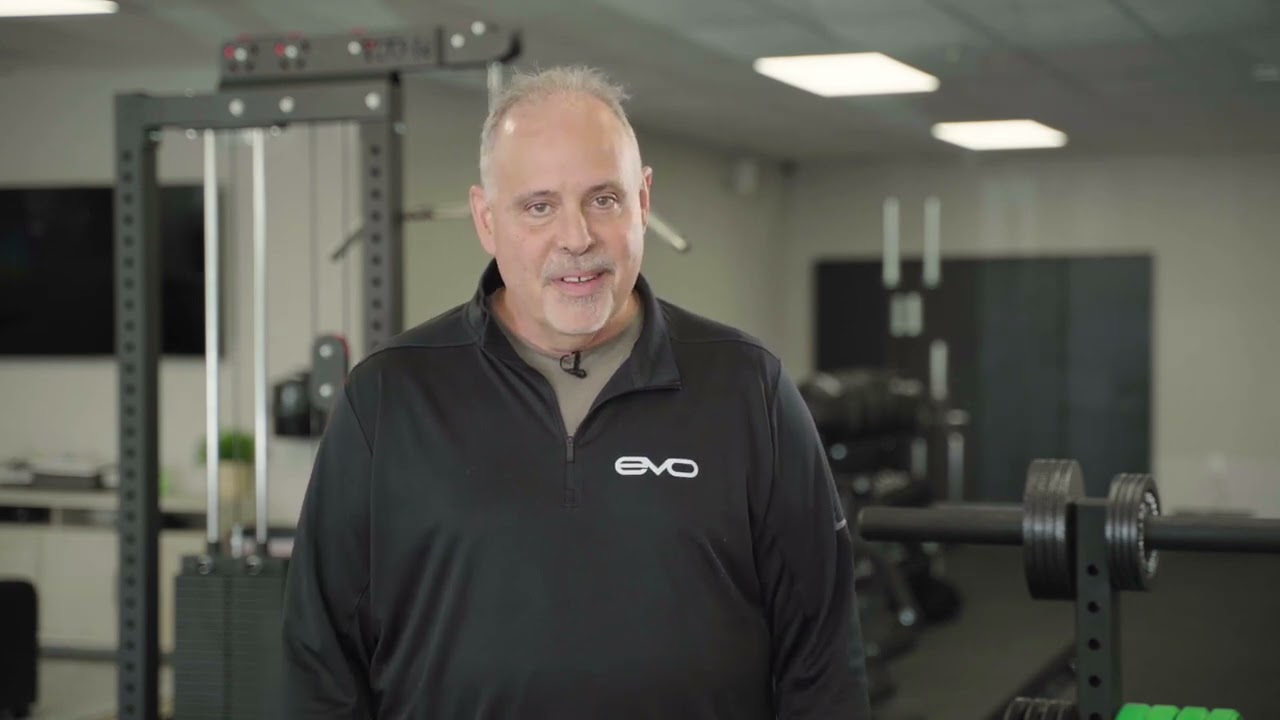
TJ started as a strength coach before earning his doctorate in physical therapy. For more than 15 years, he has worked with active adults, runners, lifters, and professional and Olympic athletes.
That background shapes how we approach ACL rehab at EVO. We look beyond where it hurts to understand what you need to move, train, and get back to the things that matter to you.

“He has helped me through injuries that I had been battling with other PTs for years. His approach is about fixing the root of the problem for a sustainable long-term solution. I love that I’m no longer in pain.”
“I went to several traditional PT places, but EVO’s route was the best for me. They found the root cause of my injury cycle. A few months later, I’m finally back to living life pain-free.”
“His treatment lets me keep a vigorous work schedule and still train safely. He coordinates with my trainer so my program is right for me and I can hit my goals.”
Yes. We work with your surgeon’s protocol and precautions, whether the surgery was done locally or elsewhere. Many people come to us partway through rehab when they want a more structured, criteria-based progression toward sport.
It depends on the graft, the surgery, your starting point, and the sport you are returning to. Time matters, but it is not the only factor. Strength, function, and how the knee responds to load determine when you move to the next phase.
When your knee has the motion, quadriceps strength, and control to handle it, and your surgeon is on board. Running is a milestone that gets earned by clearing criteria, not by reaching a date on the calendar.
Yes. We test strength, hopping, change of direction, and sport-specific demands, and we factor in how ready you feel. Those results guide the conversation about returning, alongside your surgeon’s clearance.
Sometimes. Some people do well with rehabilitation alone, particularly depending on the injury, the knee’s stability, and the demands of their sport. Others need reconstruction. That decision belongs to you and your surgeon, and we will give you an honest read on how the knee is responding.
A complimentary discovery call to hear what is going on, what you have tried, and whether we are the right fit.
A full 60-to-90-minute assessment to establish your starting point and what needs attention first.
One-on-one treatment and a progressive plan built around the demands of your life.
A guide to what a complete ACL recovery looks like, from the early weeks through return-to-sport testing, with a real clinician to message when you get stuck. Tell us where to send it.