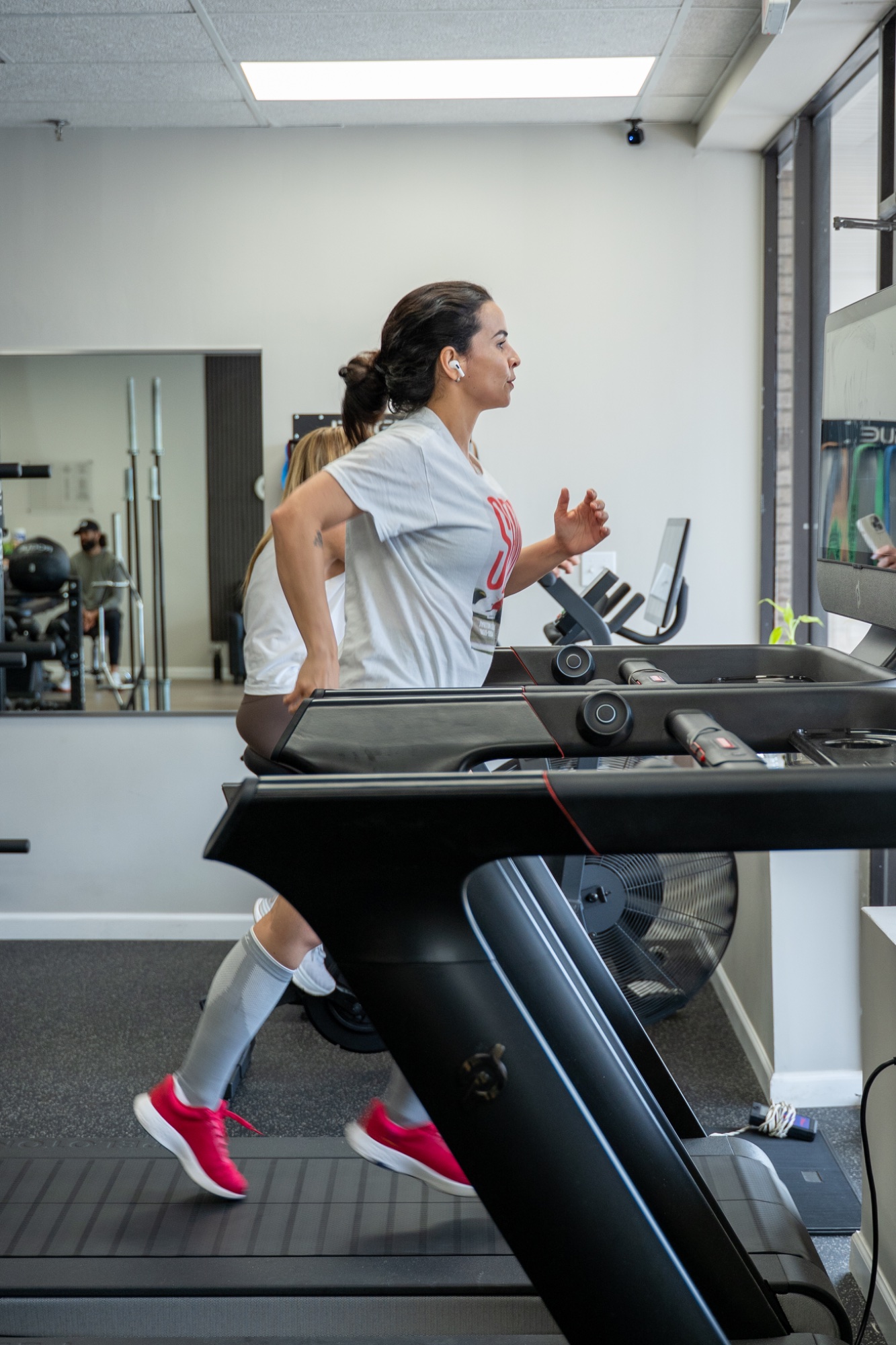
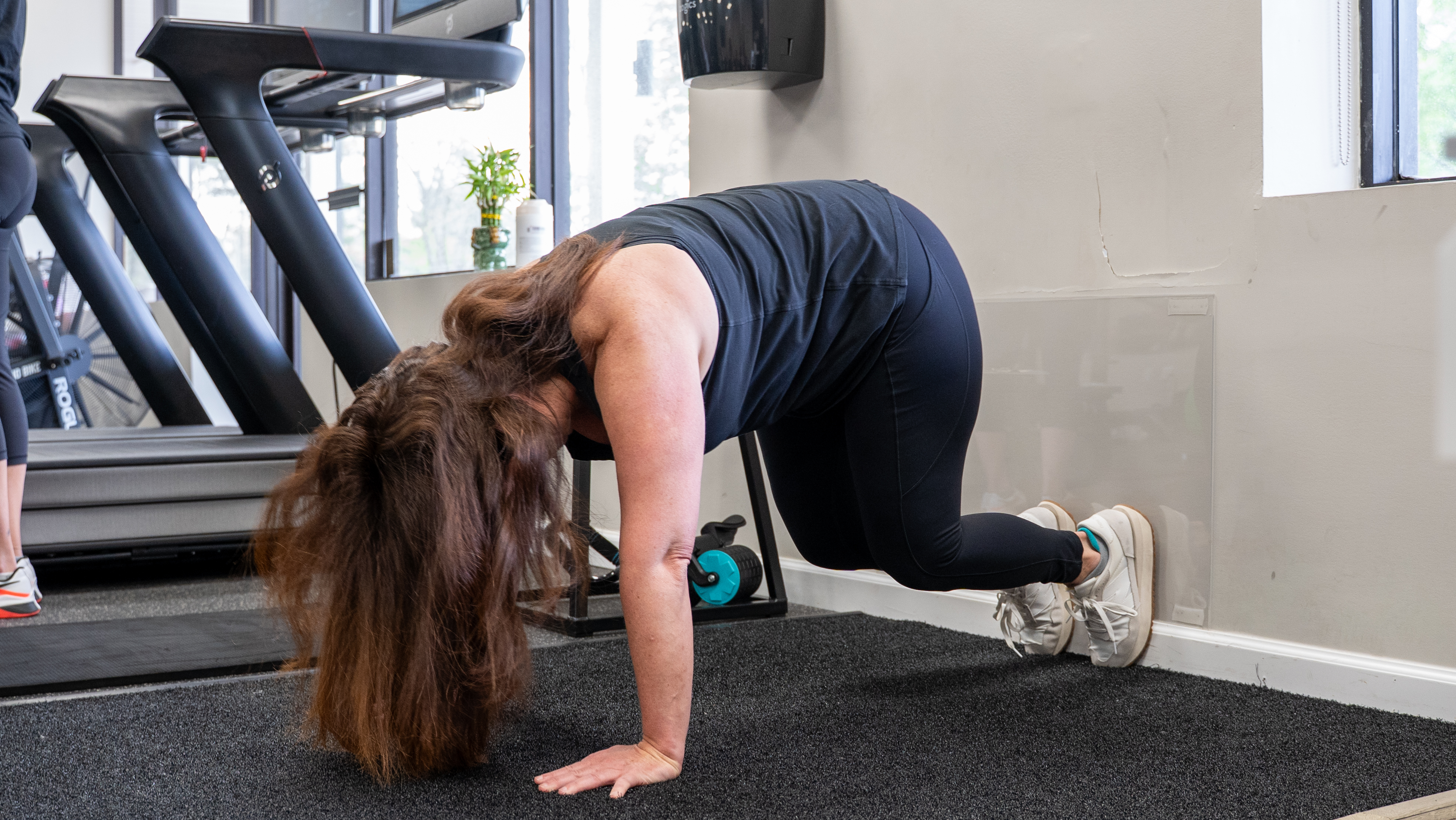
A full hour, one-on-one
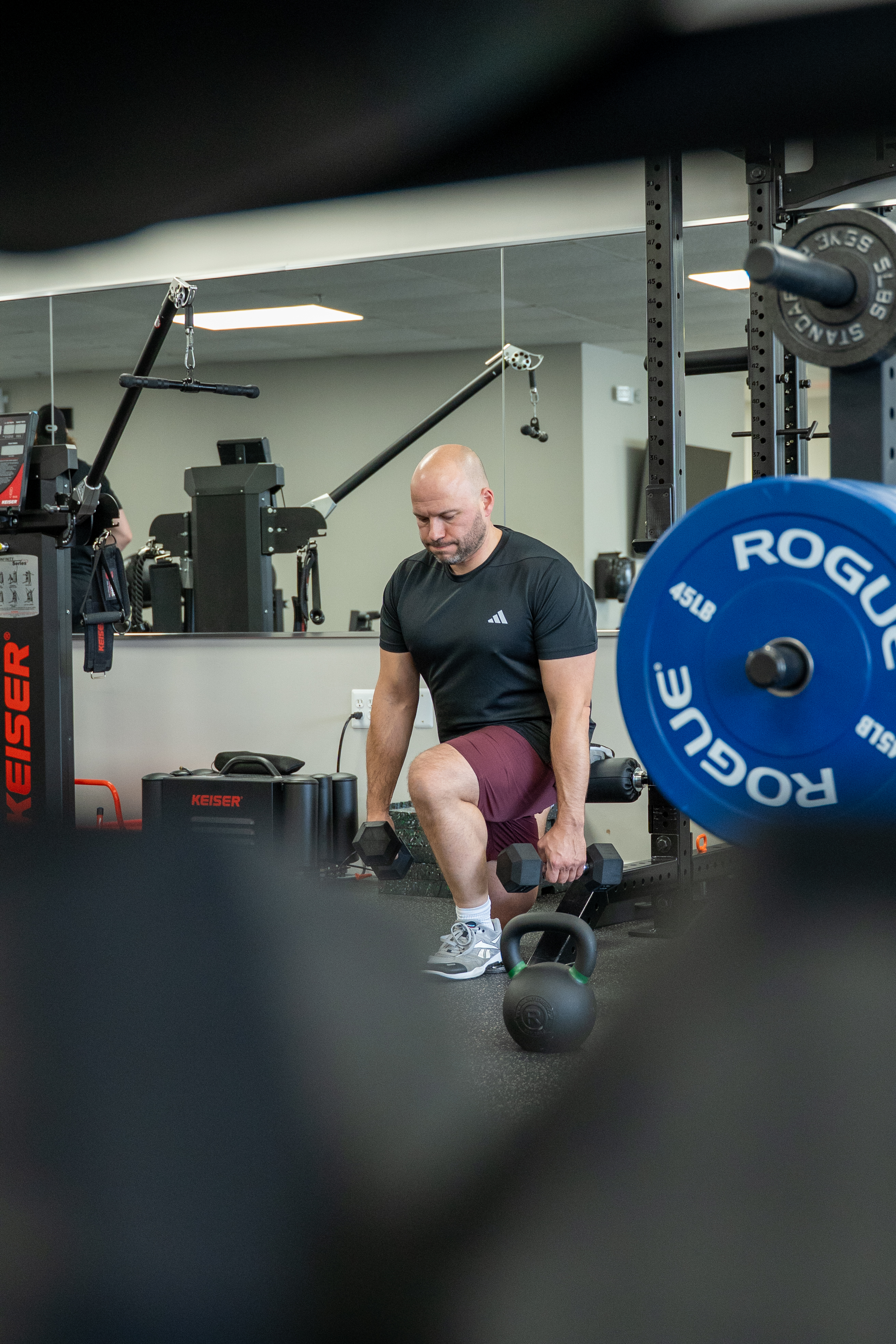
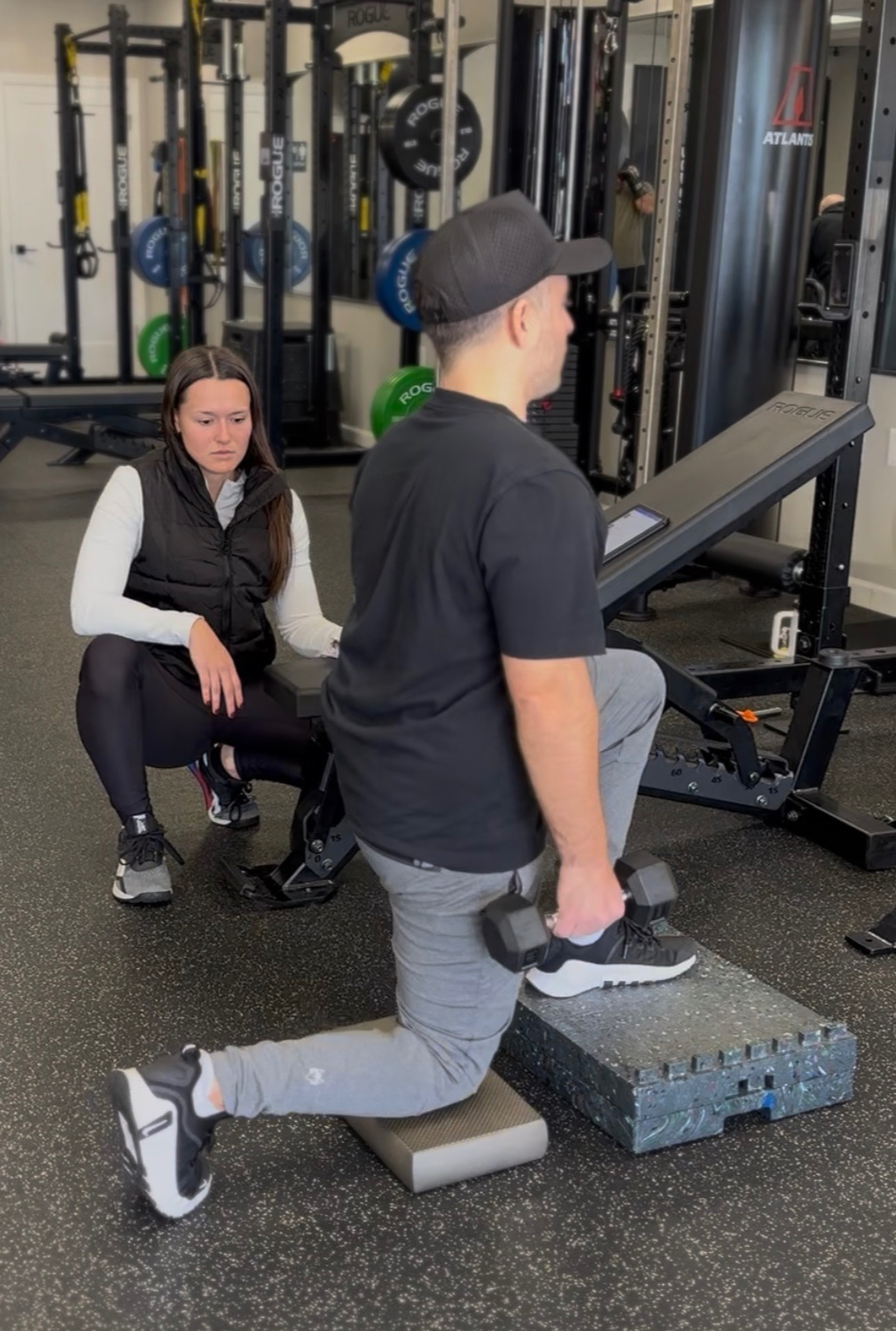
Every visit is an hour with a Doctor of Physical Therapy. No aides, no rushed table time, no bouncing between machines.

Maybe you’ve rested it, iced it, taped it, worn a brace, or already tried physical therapy. Some of it may have helped for a while.
Then you went back to the trail, the court, the field, or a long day on your feet, and it started bothering you again. Now you’re somewhere between managing it and slowly doing less, without a clear sense of what actually needs to change.
That’s the part we care about.
These are some of the patterns we see most often.
A sprain can settle while stiffness, weakness, and loss of control remain. Those unfinished pieces often show up when activity increases again.
Repeated ankle rolling is not always just a loose ligament. Strength, balance, reaction time, and confidence can all affect how stable the ankle feels.
Limited ankle motion can change how you squat, climb stairs, land, and run. We look at the joint, calf, and foot to find where the restriction is coming from.
When pain builds with repetition, we assess how the ankle absorbs force and whether its strength and endurance match the amount of activity you are asking from it.
Returning to sport requires more than pain-free walking. Hopping, direction changes, repeated effort, and confidence all need to hold up.
Time in a boot or after surgery can leave behind stiffness, calf weakness, and reduced tolerance. We rebuild from basic motion to the demands of work, training, and sport.
An ankle can stop hurting before it is ready for everything you want to do. We assess motion, strength, balance, and real-world function before building the plan.
A plan is only as good as the care running it. These three things are how we deliver it.
Every visit is an hour with a Doctor of Physical Therapy. No aides, no rushed table time, no bouncing between machines.
You move forward by clearing the standards tied to your goals, not simply because another week passed on the calendar.
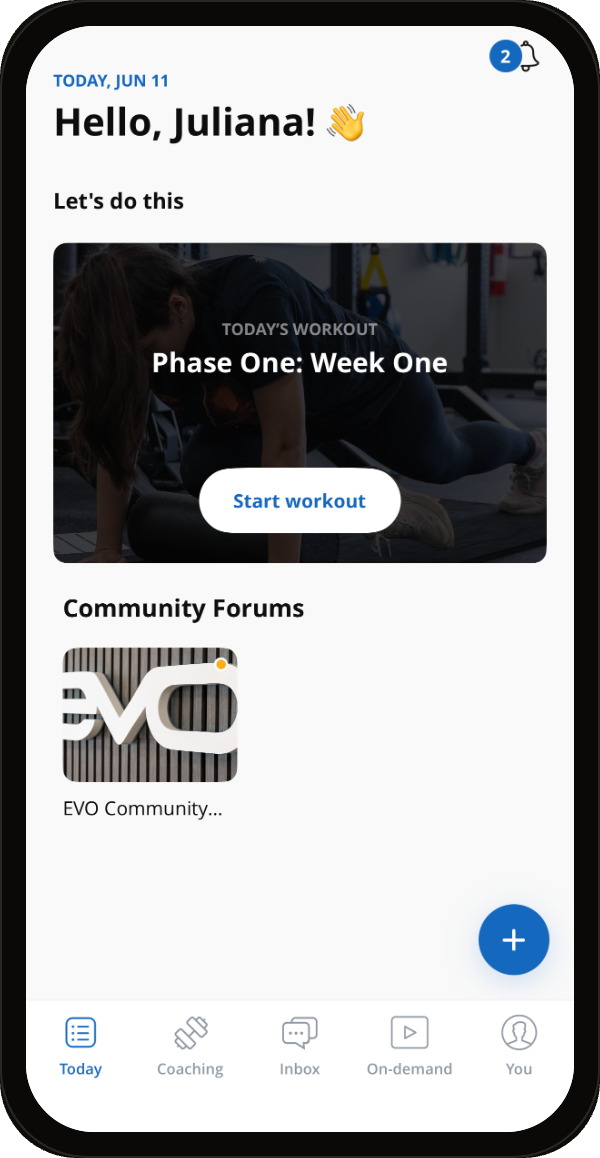
Your plan, your progressions, and a line to your clinician live in the EVO app, so you are never guessing between sessions.
Where it hurts matters. It just does not tell us enough. Before we build your plan, we look at how your ankle and foot move, how much load they can handle, how well you control them, and what you need it to do in real life.
These measures give us a starting point. We return to them throughout rehab to decide what needs work, when to progress, and whether your ankle is ready for the demands you want back.
An ankle can calm down before it has regained the motion, strength, balance, and confidence needed for uneven ground, running, or sport. Current guidelines support the same core principles we work from: restore, rebuild, and test the real demand.
The ankle has to move well and produce force before it can handle speed.
Stability is not just a ligament. It is also how quickly the body senses and responds.
Hops, changes of direction, training tolerance, and confidence all matter before a full return.
That is the logic behind EVO’s 10-step process: establish the starting point, build the qualities that are missing, and earn the next level through measurable progress.
Your assessment shows where you start. The demands of your life show where you finish, whether that is walking a trail without thinking about it, getting through a long day on your feet, or getting back on the field. The ten steps are the path between, each one building the fitness needed to get you there.
Calm pain and swelling so the ankle can move.
Get the ankle motion you need back.
Rebuild the muscle around the ankle and foot.
Use that strength in real movement.
Repeat good movement without breaking down.
Build meaningful lower-body and full-body strength.
Control landing, impact, and deceleration.
Build force, speed, and power.
Handle fatigue, change, and the unexpected.
Return to life or sport—and stay there.
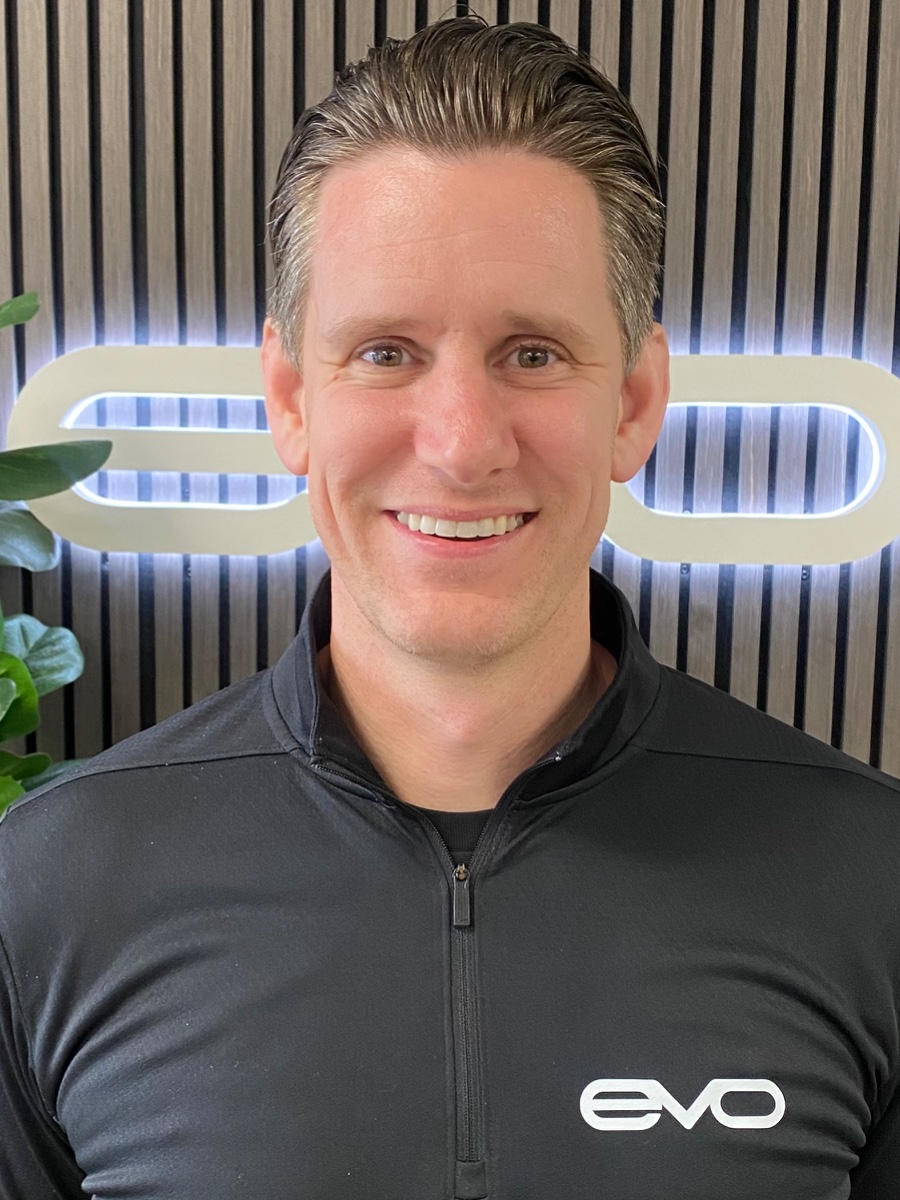
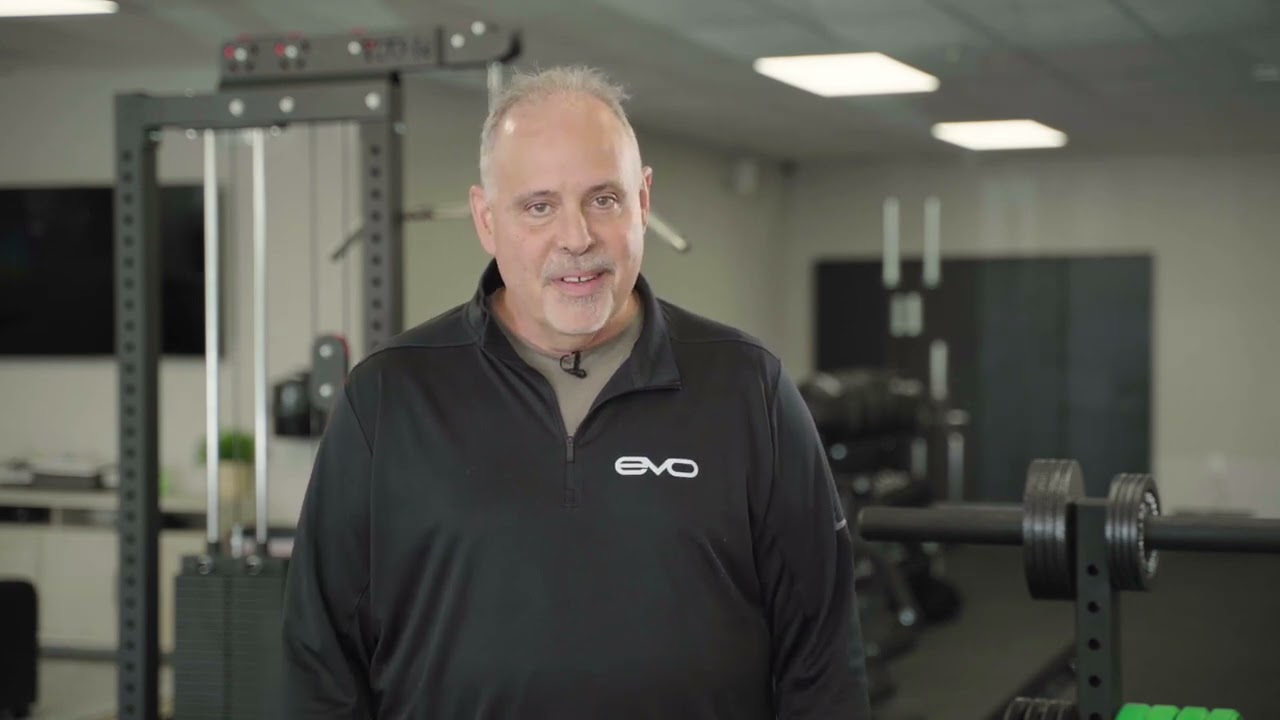
TJ started as a strength coach before earning his doctorate in physical therapy. For more than 15 years, he has worked with active adults, runners, lifters, and professional and Olympic athletes.
That background shapes how we approach ankle pain at EVO. We look beyond where it hurts to understand what you need to move, train, and get back to the things that matter to you.

“He has helped me through injuries that I had been battling with other PTs for years. His approach is about fixing the root of the problem for a sustainable long-term solution. I love that I’m no longer in pain.”
“I went to several traditional PT places, but EVO’s route was the best for me. They found the root cause of my injury cycle. A few months later, I’m finally back to living life pain-free.”
“His treatment lets me keep a vigorous work schedule and still train safely. He coordinates with my trainer so my program is right for me and I can hit my goals.”
In most cases, no. New Jersey allows direct access to physical therapy, which means you can usually begin without seeing another provider first. Some insurance plans have their own requirements, and we will help you understand those before you start.
It depends on what is contributing to the symptoms, how long it has been going on, and what you are trying to return to. We do not put everyone on the same timeline. Your evaluation establishes the starting point, and measured checkpoints show when you are ready to progress.
No. A ligament can heal while motion, strength, balance, and load tolerance have not come back. Those are trainable at any point, and they are usually what is missing when an ankle stays stiff, sore, or unreliable months later.
Yes. We work within the surgeon’s precautions and then progressively rebuild mobility, strength, walking capacity, and the activities you want to return to.
Not necessarily. Repeated rolling is usually a force, timing, and control problem more than a purely structural one. Rebuilding strength and the speed at which the ankle senses and responds is what changes it.
A complimentary discovery call to hear what is going on, what you have tried, and whether we are the right fit.
A full 60-to-90-minute assessment to establish your starting point and what needs attention first.
One-on-one treatment and a progressive plan built around the demands of your life.
A six-week program inside the EVO Health App, with guided sessions and a real clinician to message when you get stuck. Start on your own, at your own pace. Tell us where to send it.