One of the first questions people ask when they are in pain or dealing with an injury is, *“Do I need an MRI?”*
It makes sense. When pain shows up, it is natural to feel scared.
You start asking yourself, *“Did I tear something? Is something broken?”* and the next thought is often to get an MRI to find out.
But most of the time, an MRI will not change your treatment plan. Research shows that conservative care such as physical therapy, strength training, and lifestyle changes is highly effective without the cost of expensive imaging or the stress of waiting for results.
This is also why many insurance companies now recommend completing a course of physical therapy before approving any imaging.
- MRIs can be valuable in certain situations, but for most people with musculoskeletal pain they do not change the treatment plan.
- Imaging often shows “false alarms” like age-related changes that sound scary but are not the real cause of pain.
- Research consistently supports starting with physical therapy before considering imaging.
- At EVO, our 10-Step Recovery Process ensures we put your body in the best position to heal itself through evaluation, movement, strength, and recovery.
- If progress stalls or there are red flags, that is when imaging may become the right next step.
What an MRI Actually Tells Us
Magnetic Resonance Imaging (MRI) is a powerful tool. It gives doctors and therapists a detailed picture of soft tissue structures like muscles, ligaments, discs, cartilage, and tendons. When there is a red flag such as severe trauma, sudden loss of strength, suspected fracture, or possible cancer, an MRI can be crucial.
But MRIs also pick up a lot of “normal wear and tear” that is not always the source of pain.
Studies show that a large percentage of people with no pain at all have disc bulges, rotator cuff tears, or arthritis visible on imaging. That can create confusion and sometimes even unnecessary worry.
The Problem With False Alarms
One of the biggest downsides of early imaging is that it can make problems look worse than they are. If your MRI says “degeneration” or “tear,” it sounds alarming even if that finding is completely normal for your age and not the real cause of your symptoms.
This can lead people to believe they are “broken” or need surgery, when the truth is they may respond very well to conservative treatment.
Research has shown that people who avoid unnecessary imaging often recover faster and with less anxiety about their body.
We have seen this firsthand at EVO. One patient came in with nagging shoulder pain after months of lifting at the gym. A friend told him he “probably had a tear” and should push for an MRI. Instead, we ran him through a full movement and strength assessment. The issue was not a structural tear at all, but poor shoulder blade control and overloaded tendons. With focused rehab, his pain resolved and he was back to training confidently. If he had gone for imaging first, the MRI might have shown a small “tear” that was not causing the problem and could have sent him down the path toward unnecessary surgery.
Conservative Treatment First
The overwhelming majority of research supports a conservative approach before rushing to imaging.
- Low back pain: Guidelines from the American College of Physicians recommend physical therapy, exercise, and activity modification as first-line treatments. MRIs are reserved for people with red flags or persistent symptoms that do not improve after 6 to 8 weeks.
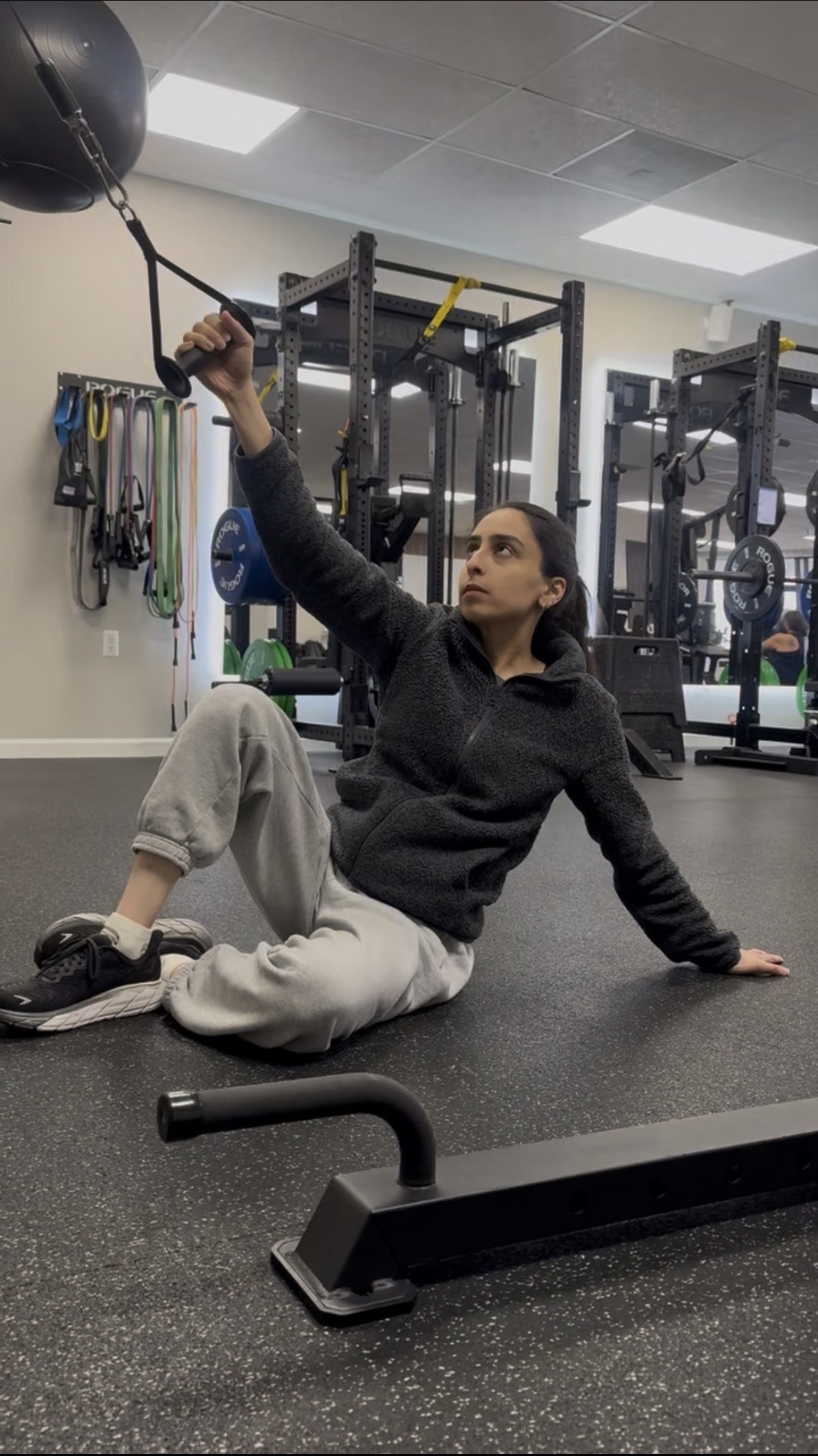
- Shoulder pain: Many partial rotator cuff tears respond well to strengthening, mobility work, and load management. Surgery and the imaging that precedes it are usually only considered if conservative care fails.
- Knee pain: Even with meniscus tears, research shows physical therapy can be just as effective as surgery for many cases.
The pattern is clear and most people see significant improvement with guided, individualized rehab without ever stepping into an MRI machine.
How We Treat Without an MRI
A common question is: *“How can you treat me if you do not see what is inside?”*
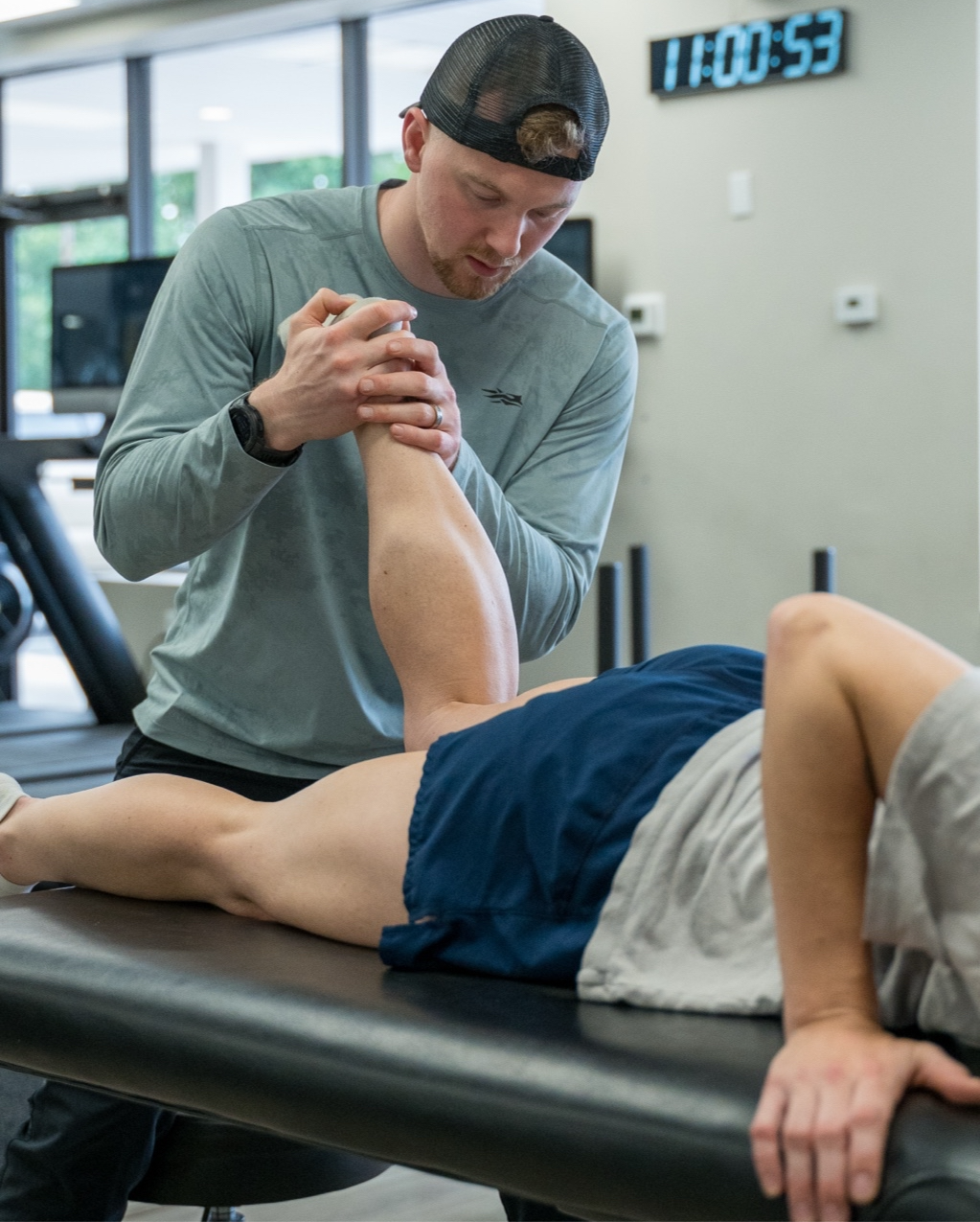
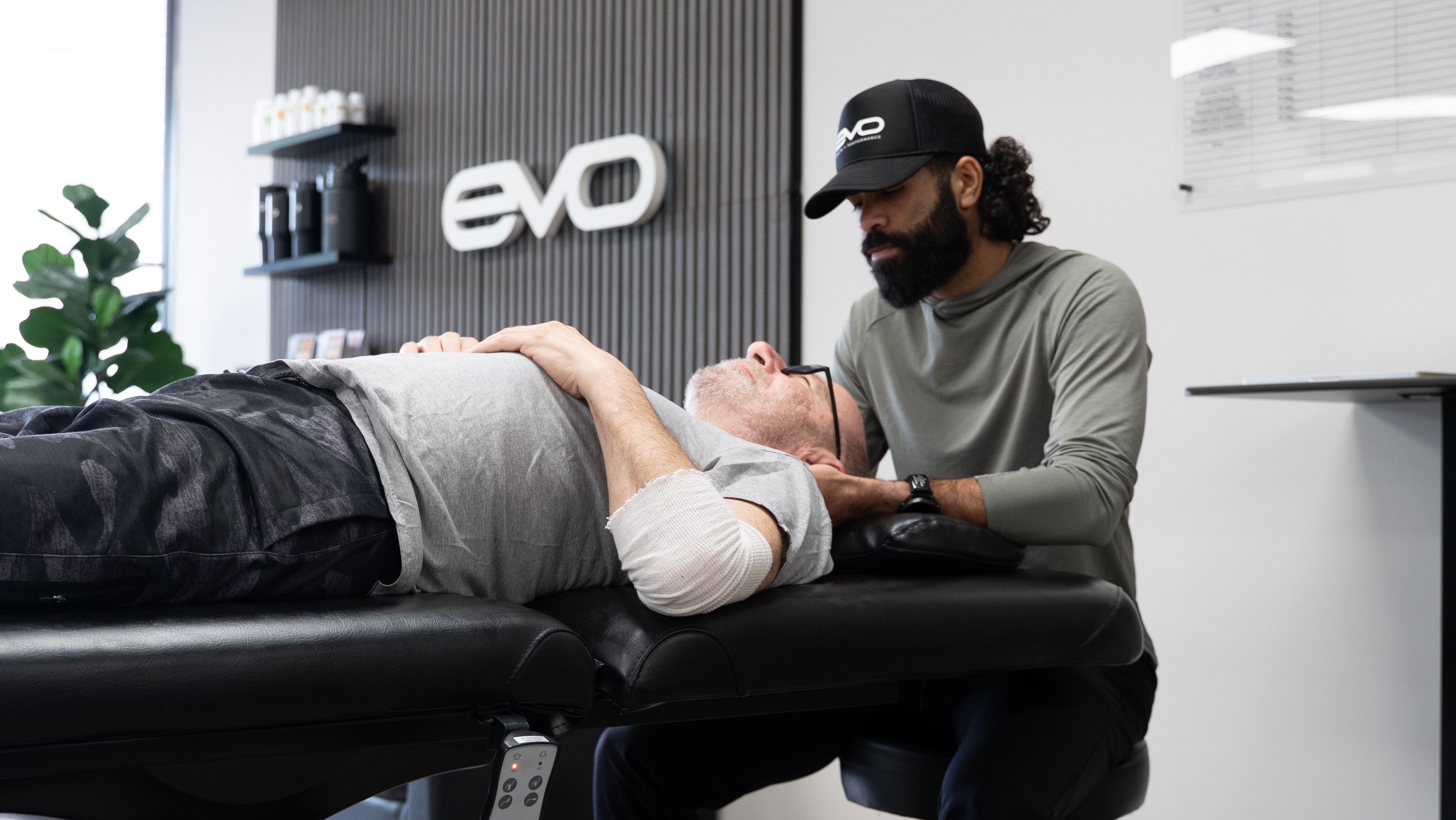
The answer is that your movement tells us more than a picture ever could. At EVO, our therapists use a combination of detailed history, movement screens, strength testing, and hands-on assessment to pinpoint the problem. We can tell if a muscle is weak, if a joint is not moving well, or if a movement pattern is overloaded without imaging.
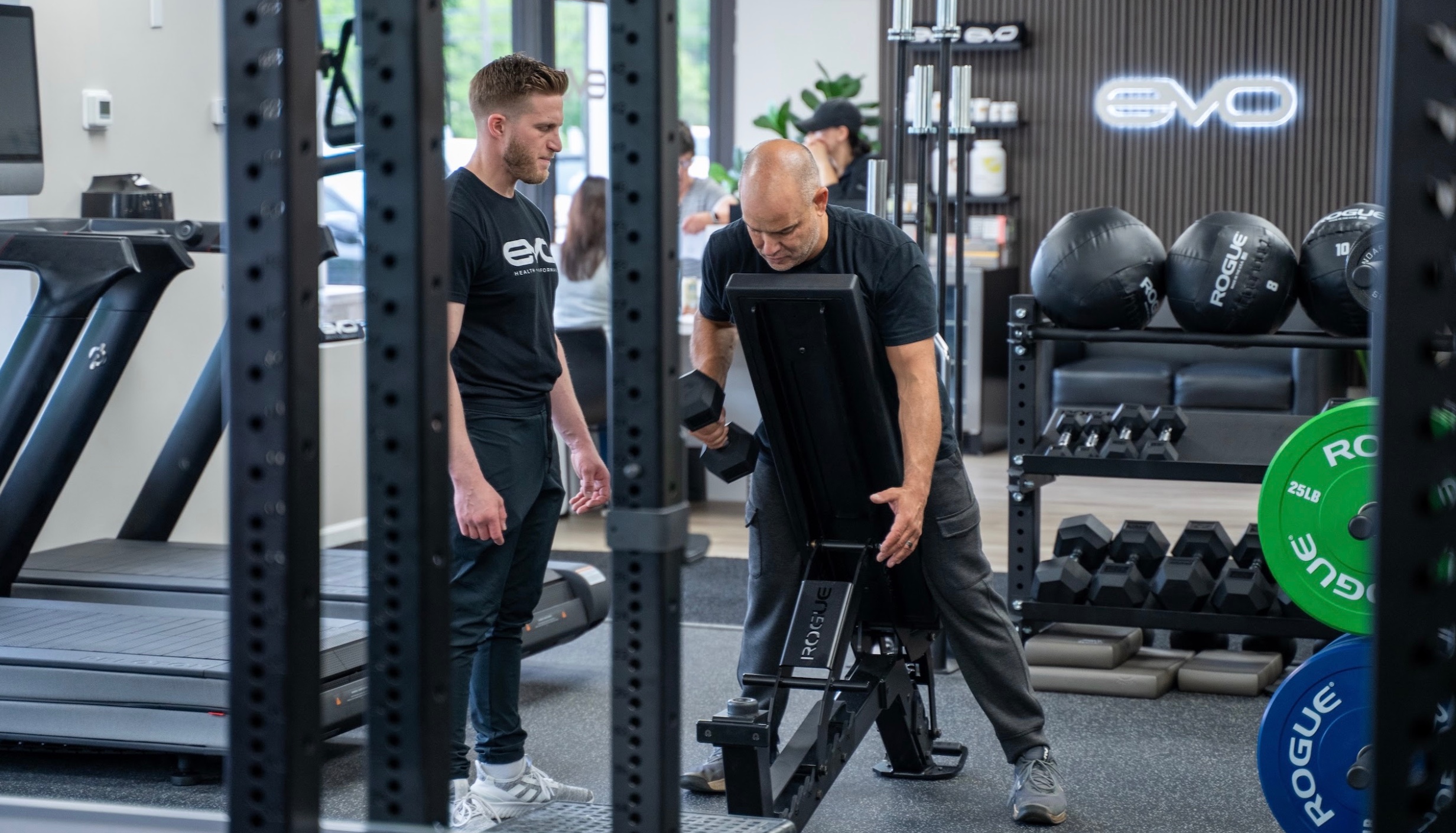
What makes EVO different is our 10-Step Recovery Process, which is designed to put your body in the best position to heal itself. Instead of jumping straight to imaging, we guide you step by step through evaluation, movement restoration, progressive strength building, and recovery strategies. Each step is built to ensure that you are not only reducing pain, but also addressing the root cause and preventing future issues.
That means we can start building your recovery plan right away instead of waiting weeks for an MRI. And if progress stalls or something does not add up, that is when imaging may become the next logical step.
Whatever's been holding you back, we take the time to understand the whole picture and build a plan around you. A discovery call is a no-pressure place to start.
Book a Free Discovery Call →When You Might Need an MRI
There are times when imaging is the right choice.
You may need an MRI if:
- You have had significant trauma such as a fall, car accident, or direct blow.
- You are experiencing severe or progressive neurological symptoms such as loss of strength, numbness, or bladder and bowel changes.
- You have gone through a thorough course of physical therapy with minimal progress.
- Your provider suspects something beyond a typical musculoskeletal injury.
Bottom Line
For most musculoskeletal injuries, the research is clear. Starting with physical therapy is safe, effective, and often avoids the need for unnecessary imaging.
At EVO Health + Performance, our role is to help you cut through the noise.
Our 10-Step Recovery Process ensures that we put your body in the best position to heal itself. We start with a thorough evaluation, listen to your story, and design a plan to get you moving again. If we believe imaging is necessary, we will make sure it is for the right reasons and at the right time.
Not sure if you need an MRI?
Book a Discovery Call and we'll give you clarity, a plan, and the confidence to move forward.